Maintenance is not a promise that everything can be repaired at the kitchen table. It is a habit of noticing what has changed and acting within the product’s instructions. A brief inspection can prevent unnecessary force, reveal a loose component or show that a tool should be taken out of service.
Start with the manual or the manufacturer’s support information for the exact model. Similar-looking products may use different materials, fasteners and safety features. Photograph a model label for your own records, but avoid sharing serial numbers or identifying household details publicly. Check the warranty and any recall notices before dismantling anything.
A seal needs an uninterrupted meeting surface
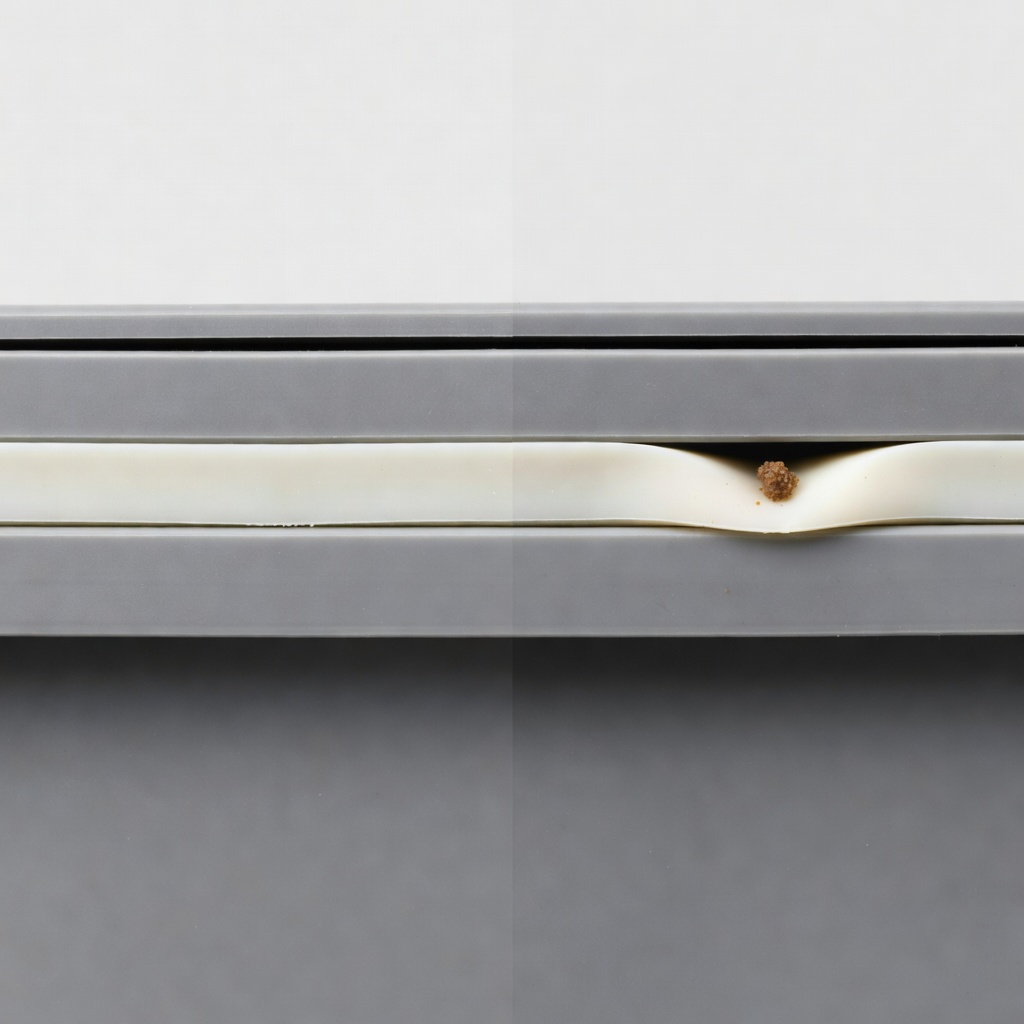
A gasket works by making sufficiently close contact between two surfaces. A crumb, a fold or a hardened patch can interrupt that contact. If a food container begins to leak, empty it and inspect the rim and seal before assuming the whole box has failed. Do not test a suspect container with hot contents.
Remove a gasket only if the instructions say it is removable. Use the permitted cleaner, rinse as directed and let every part dry fully before reassembly. Stretching a seal to “make it fit” can distort it. Sharp tools can damage both the gasket and its groove, so avoid improvised prying.
Look for splitting, permanent flattening, tackiness or a seal that no longer sits correctly. Replacement may be sensible when a genuine, compatible part is available. Do not substitute an approximate ring in a pressure appliance, hot-water device or other safety-critical system. Those products require model-specific instructions and, where appropriate, professional service.
Moving parts should move as intended
Hinges and folding joints need clear movement and a reliable stop or lock. With a drying rack unloaded, inspect for bent members, cracked plastic, loose joints and a brace that does not engage. Keep fingers out of pinch points. If it cannot stand securely in its intended open position, do not load it and hope the weight will settle it.
A stiff drawer may be overloaded, obstructed or misaligned. Remove loose contents and inspect accessible runners without forcing the drawer beyond its stops. Follow the furniture maker’s adjustment process. A screw that spins without gripping may indicate damaged material; repeated tightening can make it worse.
Lubrication is not a universal answer. Some mechanisms run dry, some use specific lubricants, and some are sealed. An unsuitable oil can attract dirt, damage plastics or contaminate food-contact areas. Use only the type and amount recommended for that component. Never spray lubricant into an electrical appliance as an exploratory repair.
Reasonable routine care
Cleaning accessible residue, drying removable parts and checking an unloaded folding brace as instructed.
Not a household shortcut
Bypassing an interlock, opening an electrical housing or improvising a pressure-system replacement part.
Fasteners reward a light, correct approach
A loose handle may have an accessible screw that the instructions allow you to tighten. Use the correct driver size, support the item and stop when secure. Excess torque can strip threads or crack plastic. Do not apply this advice to electrical terminals, gas fittings, structural anchors or other specialist connections.
If the same fastener loosens repeatedly, investigate rather than simply applying more force. A worn thread, distorted bracket or missing component may be involved. Thread-locking compounds and adhesives are product-specific solutions, not general fixes for every wobble. They can also make later servicing difficult.
Know the stop signs
Stop using electrical equipment with exposed wiring, a damaged plug, scorching, unusual heat, smoke or a persistent burning smell. Disconnect it only when safe. Do not handle plugs with wet hands or reach toward equipment standing in water. Seek manufacturer guidance or a qualified professional; this site does not teach electrical repair.
Gas smells, significant water leaks, damaged pressure equipment and suspected structural faults also fall outside routine DIY maintenance. Follow local emergency guidance and obtain appropriate professional help. A short online explanation cannot establish that a particular situation is safe.
Check official recall databases for the market where you live. The U.S. Consumer Product Safety Commission and the European Union’s Safety Gate publish product safety information. Match the model and identifying details carefully; a familiar brand name alone is not enough to establish whether a notice applies.
A small routine, not a new hobby
- After use: clean and dry as instructed, leaving moving parts and storage spaces free of debris.
- When performance changes: stop, unload or disconnect as appropriate, and inspect safely.
- Before seasonal reuse: check the manual, condition and any relevant recall information.
- When a part fails: compare a compatible replacement with safe retirement, not an improvised workaround.
Keep a simple note of the model, care instructions and replacement-part source. You do not need a complicated schedule for every spoon. The useful habit is noticing the change before a small inconvenience becomes damage or an injury.
Further reading
- CPSC: Product recalls
- European Commission: Safety Gate
- Electrical Safety First — household electrical safety guidance.
- iFixit — model-specific repair information; assess skill and safety requirements before attempting any repair.